
This article is draft content — a placeholder published to demonstrate the blog structure. Final editorial content is coming soon.
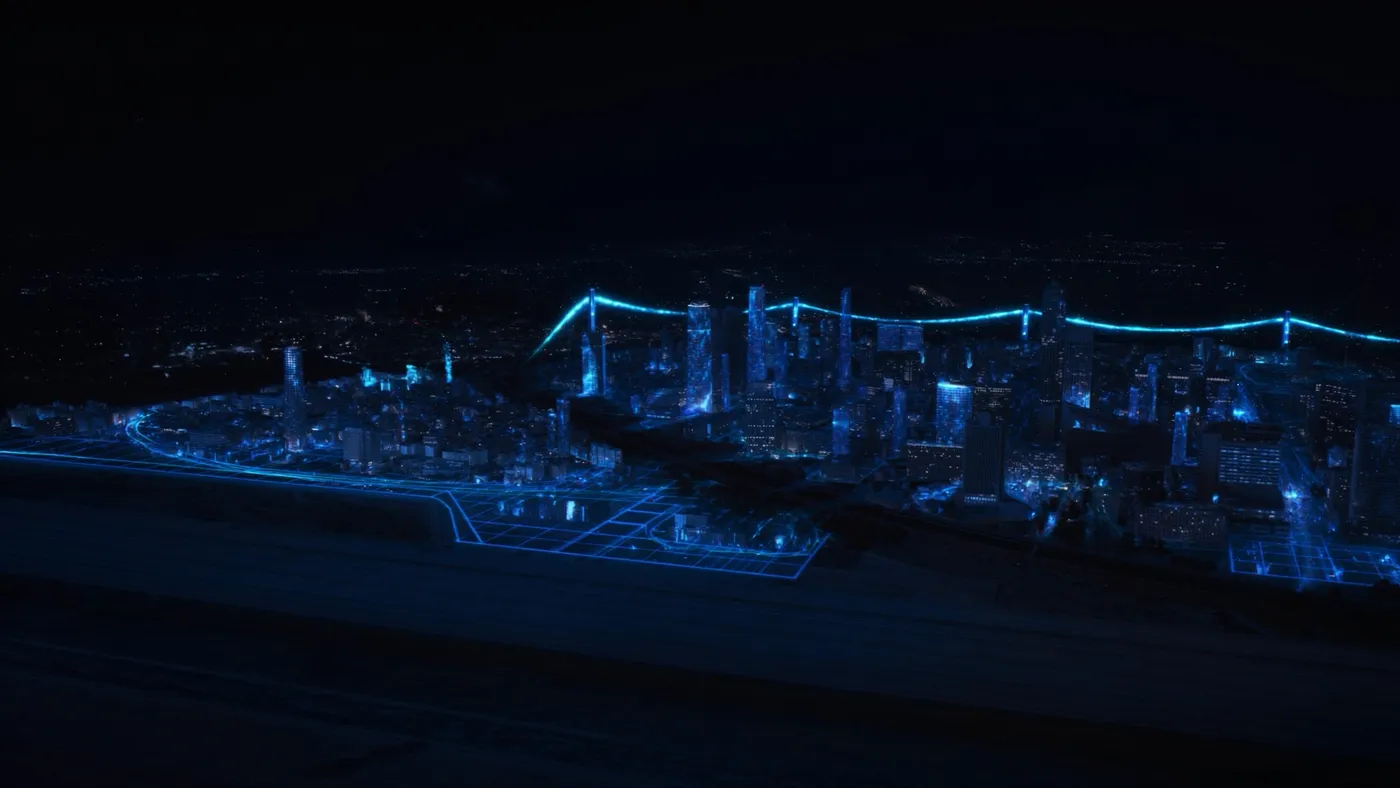
A smart city is not a collection of gadgets — it is an operational picture that lets a city see and act. The platform underneath it has to unify very different systems into one coherent view.
Integrate, don't rip and replace
Cities already run traffic systems, sensors, and services. The platform's job is to connect them, normalize their data, and present it — not to replace working infrastructure.
Build for real-time and history
Operators need to respond now and plan later. That means both streaming data for live situational awareness and a durable store for analysis and forecasting.
- IoT and sensor ingestion at scale
- Traffic intelligence and adaptive response
- Dashboards and automation for city teams
Design for trust
Public infrastructure demands security, auditability, and resilience by default. These are architectural decisions made at the start, not features bolted on later.